
Scientific Foundations of Balanced Nutrition
1. Nutrition and Cellular Metabolism

Food is much more than a source of energy. It provides the nutrients required for tissue growth and repair, the synthesis of enzymes and hormones, immune system function, and the maintenance of numerous biochemical processes.
Following digestion, nutrients are absorbed and enter complex metabolic pathways. Some are used immediately, while others are stored or incorporated into cellular structures.
Mitochondria play a particularly important role in these processes. These cellular structures produce much of the body’s adenosine triphosphate (ATP), the primary molecule responsible for transferring energy within cells.
For these processes to function normally, the body requires adequate energy and a variety of essential nutrients, including vitamins and minerals that act as cofactors in enzymatic reactions.
An insufficient intake of certain nutrients can impair normal physiological functions. However, consuming additional vitamins and minerals beyond the body’s requirements does not automatically improve cellular metabolism.
The goal of balanced nutrition is therefore not to maximize nutrient intake, but to ensure that nutritional needs are met appropriately.
2. Glucose Metabolism — How the Body Regulates Blood Sugar
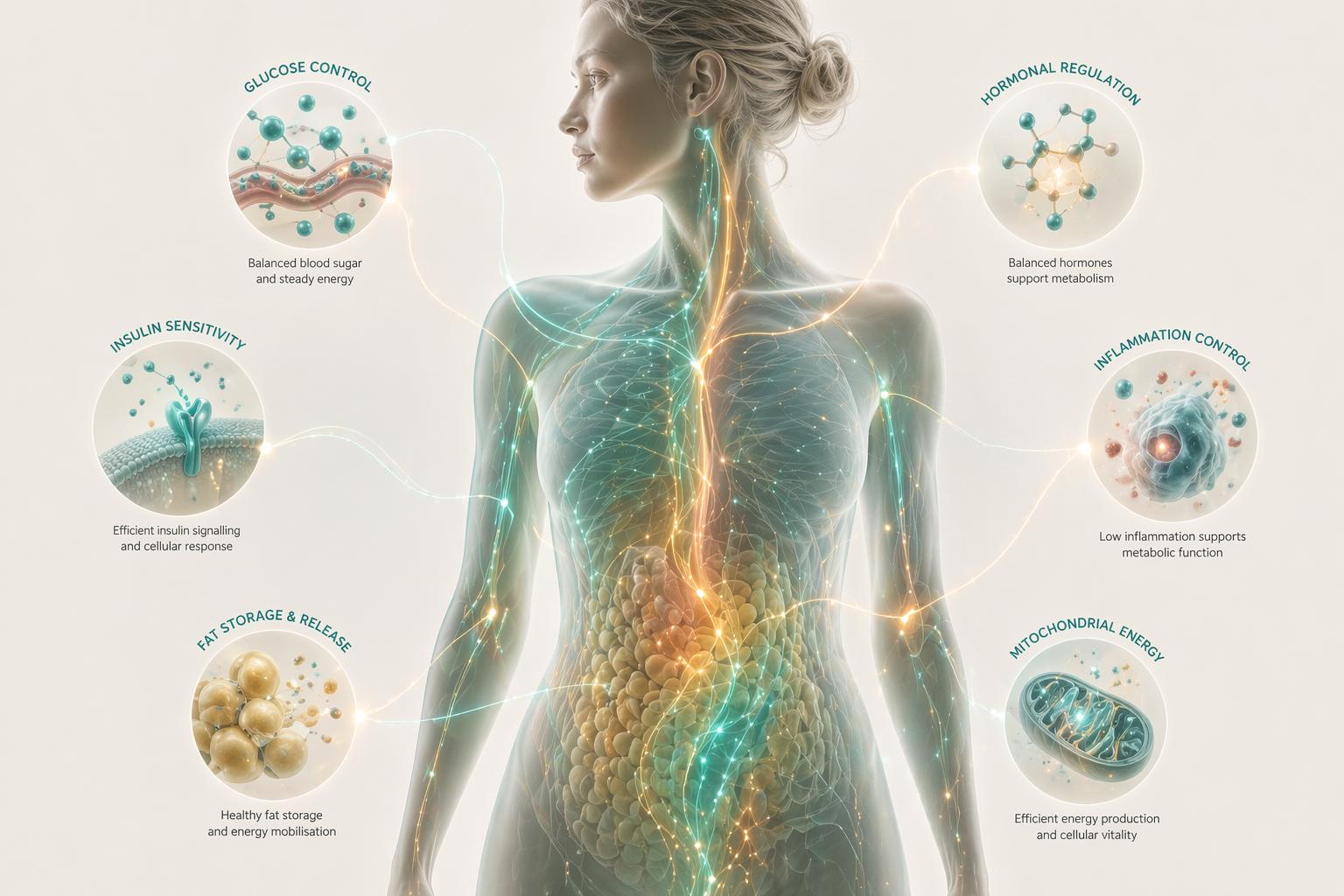
Glucose is an important energy source for the human body. It is obtained through the breakdown of carbohydrates, but it can also be produced by the liver through its own metabolic pathways.
After a meal, some carbohydrates are broken down into simple sugars, which are absorbed in the intestines and enter the bloodstream.
An increase in blood glucose stimulates insulin secretion from the beta cells of the pancreas.
Insulin promotes glucose uptake by muscle and fat cells, supports the storage of energy reserves, and reduces glucose production by the liver.
This is a normal physiological response. An increase in insulin after eating is not, in itself, a disease or an indication of metabolic dysfunction.
What Is Insulin Resistance?
Insulin resistance is a condition in which certain tissues, particularly skeletal muscle, the liver, and adipose tissue, become less responsive to insulin.
Initially, the pancreas may compensate for this reduced sensitivity by producing more insulin.
When these compensatory mechanisms are no longer sufficient, blood glucose levels may begin to rise.
Insulin resistance is associated with multiple factors, including genetic predisposition, excess visceral fat, low levels of physical activity, and other metabolic characteristics.
It is not caused simply by eating a single carbohydrate-containing meal.
How Does Food Influence the Blood Glucose Response?
The rate and extent of the rise in blood glucose after a meal depend on several factors:
-
the type and quantity of carbohydrates consumed
-
the fiber content of the meal
-
the overall composition of the meal
-
individual insulin sensitivity
-
physical activity and other physiological factors
For example, whole grains and legumes generally provide more fiber and micronutrients than refined grain products.
The practical implication: Food choices should be evaluated in terms of nutritional quality, portion size, and the overall dietary pattern, rather than solely on the sugar content of an individual product.
3. The Gut Microbiome — The Connection Between Nutrition and Physiological Regulation
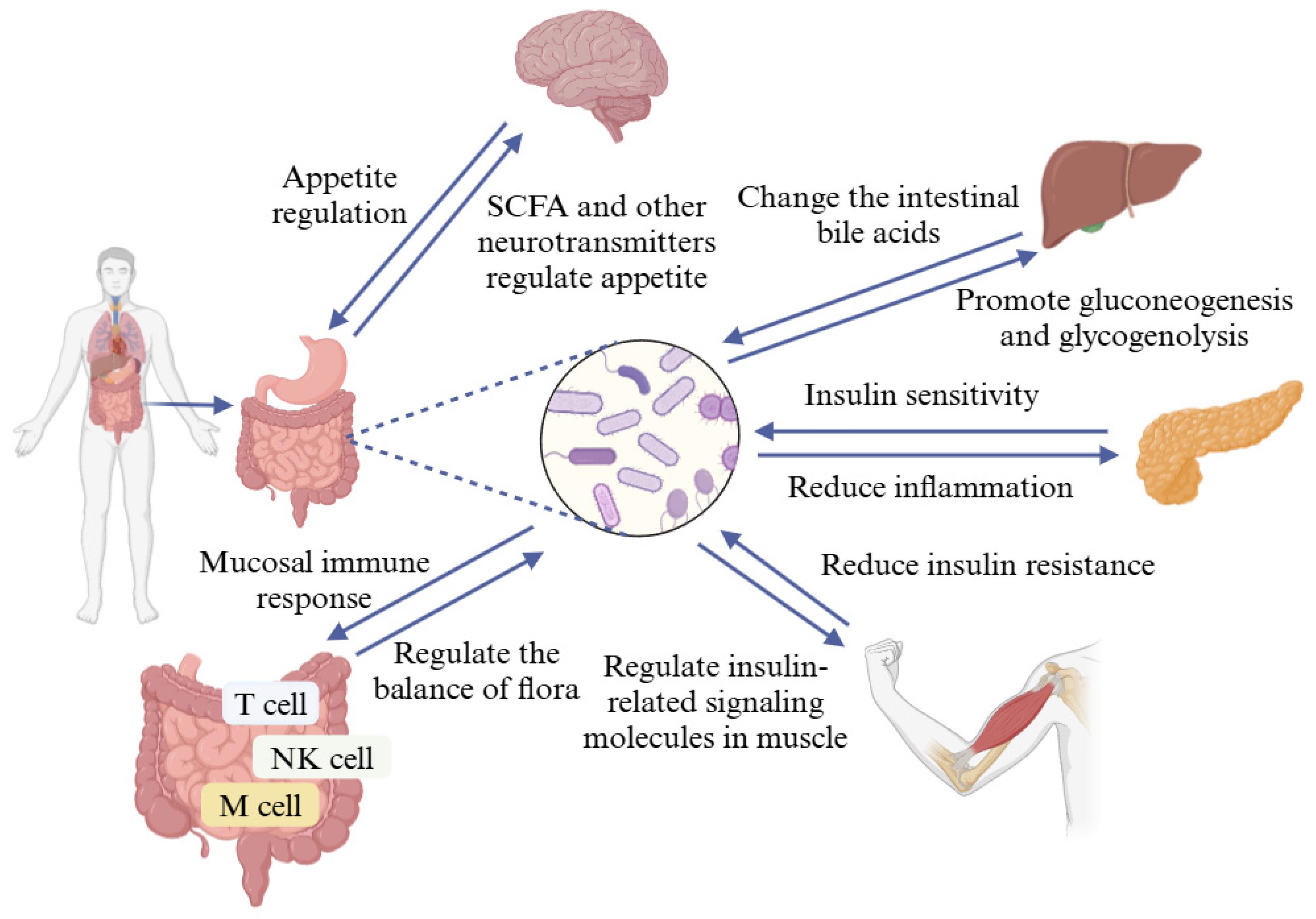
Understanding metabolic mechanisms has practical value only when that knowThe human gastrointestinal tract is home to a complex community of microorganisms known as the gut microbiota. The broader term microbiome also encompasses their genetic potential and the associated biological environment.
These microorganisms contribute to the breakdown of certain dietary components, the metabolism of various substances, and interactions with the intestinal immune system.
Of particular interest is the ability of certain gut bacteria to ferment dietary fibers that human digestive enzymes cannot fully break down.
What Are Short-Chain Fatty Acids?
Microbial fermentation can produce compounds such as:
-
Acetate — participates in various metabolic processes.
-
Propionate — can be utilized in metabolism, including by the liver.
-
Butyrate — serves as an important energy source for cells lining the colon and contributes to the regulation of local cellular processes.
These compounds, collectively known as short-chain fatty acids (SCFAs), are being actively investigated because of their interactions with the intestinal barrier, immune mechanisms, and metabolic regulation.
An important scientific distinction: Although these mechanisms are well described, there is still insufficient evidence that a specific supplement or a single type of fiber can reliably improve the gut microbiome and health outcomes in every individual.
How Can We Support a Diverse Supply of Nutrients for the Gut Microbiota?
A practical approach involves regularly including a variety of plant-based foods in the diet:
-
vegetables and fruits
-
whole-grain foods
-
legumes
-
nuts and seeds
Different plant foods contain different types of fiber and other compounds that may influence the composition and activity of the gut microbiota.
A varied diet is therefore a more reasonable nutritional strategy than attempting to promote a single supposedly “beneficial” bacterial species.
4. Nutrition and Inflammatory Processes
Inflammation is a natural protective mechanism of the body. It plays an important role in responding to infections, tissue injury, and other harmful stimuli.
However, it is important to distinguish between acute inflammation, which is often an essential part of protection and recovery, and persistent low-grade inflammatory activity, which may accompany certain chronic diseases.
In metabolic disorders, including some forms of obesity and insulin resistance, changes may occur in immune signaling molecules and adipose tissue function.
These processes are complex and interconnected. They cannot be explained by the effects of a single food or hormone.
Is There Such a Thing as an Anti-Inflammatory Diet?
Scientific research has examined dietary patterns associated with more favorable metabolic indicators and changes in certain markers of inflammation.
Particular attention has been given to Mediterranean-style dietary patterns, which typically include:
-
a variety of vegetables and fruits
-
whole-grain foods
-
legumes
-
nuts and seeds
-
olive oil and other sources of unsaturated fats
-
fish and other appropriate protein sources
Some studies have reported favorable changes in inflammatory markers such as C-reactive protein (CRP) and interleukin-6 (IL-6). However, findings vary depending on the study population, the duration of the dietary intervention, and the methods used for assessment.
No single food can independently “switch off” chronic inflammation.
Similarly, an elevated CRP level does not establish that diet is the underlying cause. This marker can be elevated for a variety of reasons and must be interpreted in an appropriate medical context.
5. Lipid Metabolism and Cardiovascular Health
Dietary fats are an essential part of human nutrition. They contribute to cellular structure, the production of certain signaling molecules, and the absorption of fat-soluble vitamins.
However, both the quantity and the type of fat consumed are important.
Replacing some saturated fats with unsaturated fats, while maintaining an appropriate overall energy intake, may have beneficial effects on LDL cholesterol levels and cardiovascular risk.
For this reason, high-quality dietary patterns include sources of unsaturated fats, such as olive oil, nuts, seeds, and fish.
Diet also influences triglyceride metabolism. In some individuals, excessive energy intake, high alcohol consumption, and certain dietary habits can contribute to an unfavorable blood lipid profile.
The practical takeaway: Rather than restricting all fats equally, it is generally more useful to improve the quality of dietary fat sources and the overall eating pattern.
6. Why Do Different People Respond Differently to the Same Meal?
Two people may eat exactly the same meal yet experience different metabolic responses.
These differences arise from the interaction of multiple factors, including:
-
genetic characteristics
-
age and body composition
-
insulin sensitivity
-
physical activity
-
sleep patterns and daily routines
-
medications and underlying medical conditions
-
meal composition and portion sizes
Research into individual metabolic responses is an important and evolving area of nutritional science.
At the same time, it is essential to emphasize that personalized nutrition does not necessarily require expensive genetic testing, gut microbiome analysis, or continuous glucose monitoring.
In many cases, a thorough medical assessment, dietary history, and appropriate standard laboratory tests provide a sufficient basis for individualized nutritional recommendations.
When a disorder of glucose metabolism is suspected, a physician may determine whether investigations such as fasting blood glucose, HbA1c, or an oral glucose tolerance test are appropriate.
7. From Scientific Understanding to Everyday Food Choicesledge is translated into sustainable daily habits.
Scientific evidence supports overall dietary patterns that provide a wide variety of nutrients while taking individual needs into account.
There is no need to calculate every meal with absolute precision or to interpret every fluctuation in blood glucose as a problem.
What matters most is maintaining healthy dietary habits over time, alongside physical activity, adequate sleep, and appropriate medical care.
Balanced nutrition is not a system of restrictions. It is an approach to meeting the body’s nutritional requirements, supporting normal physiological function, and reducing certain diet-related risk factors.
начин да се осигурят необходимите вещества за нормалното функциониране на организма, като същевременно се намаляват определени хранително обусловени рискови фактори.

Important Medical Information
The information provided on this page is intended for educational purposes only. It does not constitute an individualized therapeutic diet and is not a substitute for medical diagnosis or treatment.
For individuals with chronic diseases, food allergies, pregnancy, ongoing medication use, or special nutritional requirements, dietary recommendations should be tailored to the specific patient’s needs.